BERNARDITA BERTELSEN
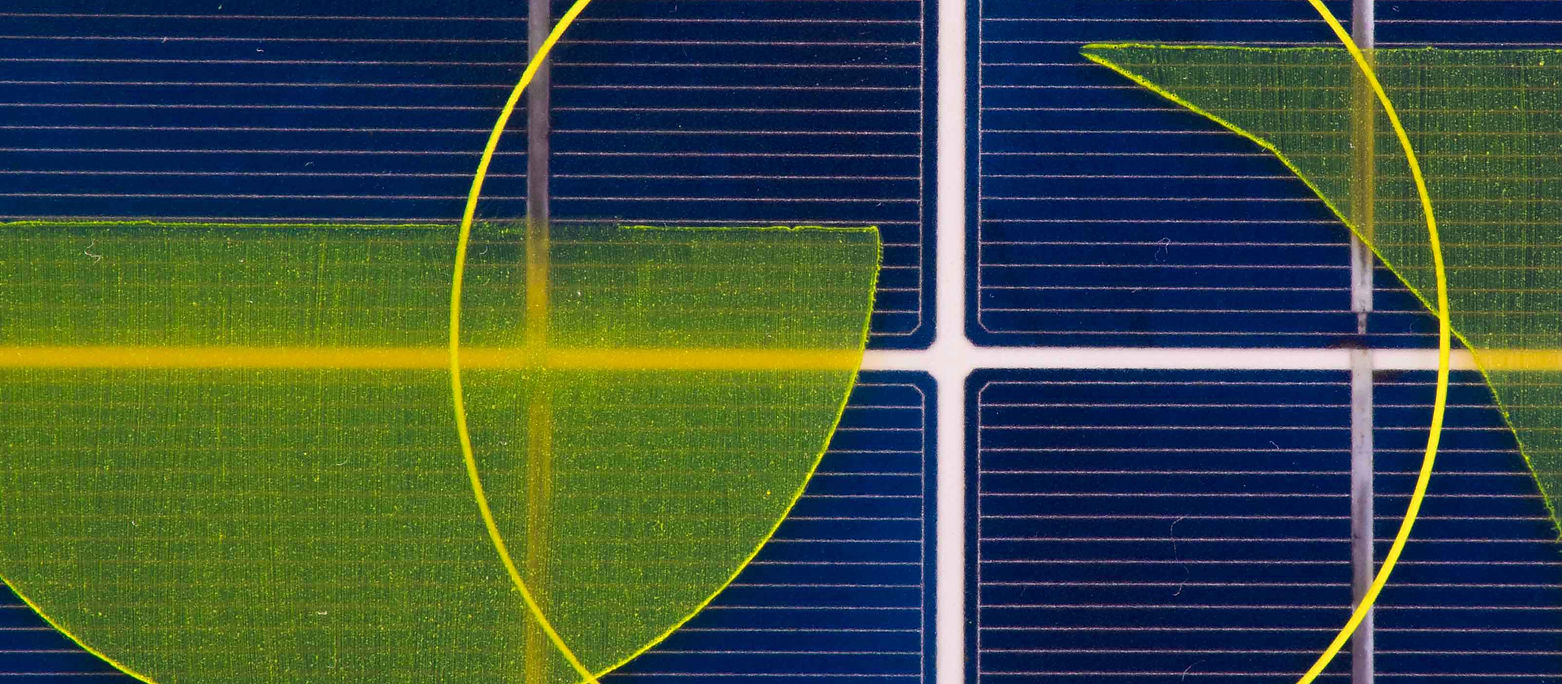
ASTROHERTZIANO, 2023.
PHOTOVOLTAIC PANEL, ACRYLIC, GAC-200 AND POSCA PENCIL.
160 x 90 cm
Photovoltaic solar energy is currently the world’s third most important source of renewable energy in terms of installed capacity. According to the International Renewable Energy Agency (IRENA), it is estimated that by 2050 there will be 78 million tonnes of photovoltaic panel waste worldwide. Each panel has an approximate lifespan of twenty-five to thirty years, provided adequate maintenance conditions are met and favourable climatic conditions persist. Beyond this period, the panels are theoretically recyclable, as they are composed of glass, aluminium, silicon, plastic and semiconductor materials. Yet recycling remains an expensive process, and in countries such as Chile there is currently no technology capable of properly recovering the silicon, silver and other valuable materials contained within the cells. Once again, the fact that something is recyclable does not necessarily mean that it will be recycled. Nevertheless, the proper implementation of photovoltaic recycling plants could generate long-term economic benefits, alongside meaningful social and environmental impact.
It is from this context that "Astrohertziano" emerged. The work takes the figure of the Sun — our nearest star and primordial source of energy — as its point of departure. Through processes of geometrisation, patterns begin to appear, repeating and distributing themselves across the plane through translation and rotation, while drawing is incorporated to evoke the remaining celestial bodies that inhabit the Solar System.


